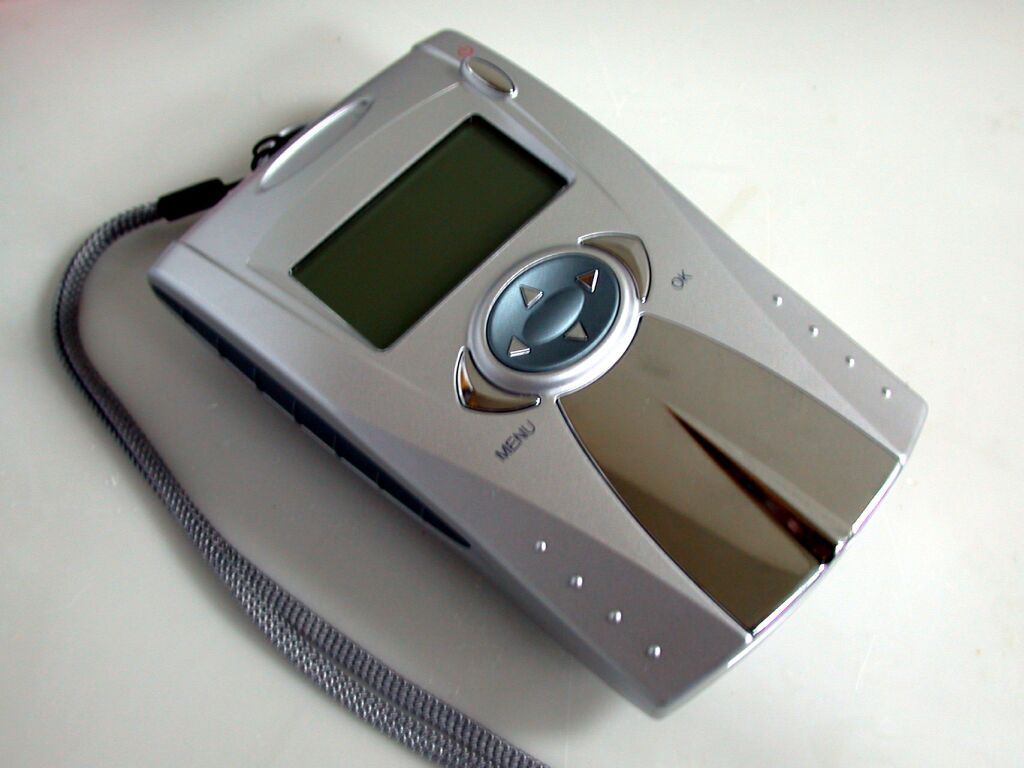
Op Hardware.info is een verslag te lezen van Photokina 2002, een beurs in Keulen die helemaal gericht is op fotografie. Verspreid over 18 hallen lieten vele fabrikanten hun nieuwste producten zien aan de bezoekers. Kodak spande de kroon: het bedrijf huurde een complete hal af en toonde naast een reeks nieuwe digitale camera's ook een drietal afdruksystemen. Met de apparaten, bestemd voor winkels, kunnen foto's van geheugenkaartjes op een makkelijke en snelle manier worden afgedrukt of op CD worden gezet. Bij een van de modellen kunnen klanten zichzelf bedienen door middel van een touchscreen.
Naast Kodak werden ook de stands van onder andere Sony, Fuji, Olympus, Canon en Sigma bezocht. Die laatste is nog relatief onbekend op het gebied van digitale spiegelreflexcamera's, maar kwam onlangs in het nieuws door een nieuwe CCD-techniek die ze gebruiken. Door drie CCD's achter elkaar te plaatsen krijgt elke afzonderlijke pixel een kleurregistratie uit de drie basiskleuren rood, groen en blauw. De beeldchip met deze zogenaamde X3-technologie wordt geleverd door Foveon en zorgt voor een zeer natuurgetrouw beeld zonder moirépatronen. Sigma gebruikt de chip in zijn nieuwste 3,3 Megapixel camera, de SD-9 D-SLR. Met een prijs van 2000 euro is het tevens een zeer goedkope spiegelreflexcamera.




 Eerder deze maand werd nog een voorstel van Bertelsmann door de rechter afgewezen. Dit voorstel bestond uit het plan om Napster te kopen en het geheel als betaalde service opnieuw te lanceren. Vele partijen hebben al aangegeven op een eventuele openbare veiling van Napster aanwezig te zullen zijn, hierdoor is de verwachting dat het bedrijf behoorlijk wat op zal brengen. Bertelsmann weigerde zelf op de berichten te reageren.
 After about six hours of analysis by Microsoft security response center, Christopher Budd, security program manager for the company, said that the flaw could not be used to run code on a system. If so, that would greatly reduce the severity of the vulnerability: Companies would only have to fear a denial-of-service attack on their VPN systems, not a network intruder.
  The NV28 in its weakest implementation -- the TI 4200-8X -- will be clocked at 275MHz on Nvidia's recommendation, while partners, as always, can clock their own versions even higher. Usually, they never let anyone clock lower but we know that at least one manufacturer will clock at 270, five megahertz lower than recommended.
  Aside from that, used in the manufacture of the "Soaring Dragon" Sever is a kind of specific mainboard with the "Dragon Chip" CPU jointly developed by Shuguang Co. and the Computer Institution of the CAS and the Shuguang LINUX operational system developed by Shuguang Co. alone. According to the analysis of persons from the business circle, the debut of the "Soaring Dragon" Sever marks that China has set out on the marketization of its "Dragon Chip".
  Symbian is an OS for phones and other should mobile communication devices, written in C++ it gives the development community a real target for application development.
  Fukunaga said the product is technically near completion but there are some problems to be hammered out before it can be commercialized. For one, how to market the product without conflicting with parent Sony Corp's own DVD recorder sales channels would be a challenge, he said.
  But some lawmakers worried that overzealous copyright enforcement measures could end up targeting innocent computer users, and said they did not want to encourage a high-tech game of cat and mouse that could easily get out of hand. The recording industry has aggressively fought peer-to-peer services since Napster gained widespread popularity more than two years ago. While the recording industry was able to persuade a California court to shut Napster down, it has so far been less successful against next-generation services that are based overseas or operate in a decentralized manner.
 /i/1270939456.png?f=fpa)
/i/1205522553.png?f=fpa)
:strip_exif()/i/1079962668.gif?f=fpa)
 Op CNet is te