VR-Zone meldt dat Infineon 1GB DDR SDRAM DIMMs heeft gereleased. Daarnaast worden op de JEDEX geregistreerde 2GB DIMMs gedemonstreerd in combinatie met Intel Xeon (Prestonia) processoren op een 7500E (Plumas) chipset. De 1GB modules zijn bedoeld voor high-end PC's en workstations en de 2GB modules voor geheugenintensieve applicaties in workstations en servers. De 1GB modules kosten 1900 dollar terwijl de 2GB modules pas in april beschikbaar zijn en 3900 dollar zullen kosten. Beide modules zijn in PC1600 of PC2100 uitvoering beschikbaar. Het grote verschil met bestaande DDR modules is de opbouw van de DIMMs; er wordt gebruik gemaakt van een 'single-chip' design:
Because the 512Mb components used in the new modules use only one silicon chip in a TSOP II package, the Infineon DIMMs achieve superior signal integrity, lower power consumption and higher reliability ratings compared to currently available modules, which use two silicon die in a package. The 1GB unbuffered DIMM uses 18 pieces of 512Mb components configured as 64M x 8. The 2GB registered DIMM uses 36 pieces of stacked 512Mb components organized 256M x4 which means it can support chip-kill, a feature now found on advanced memory controller systems. Both of the new DIMMs are 184 pin, 2.5V devices, available in speed grades for PC1600 and PC2100.


 )
) 8)
8) )
)
 "It is very, very likely that we'll launch the Clawhammer in Q4 of 2002." Mark de Frere put up an even bigger grin when I asked about the SledgeHammer's timeline and commented: "It is going to blow you away." Well, Mark told us that we will see quad-processor SledgeHammer server motherboards in H1 2003, or most likely June 2003!"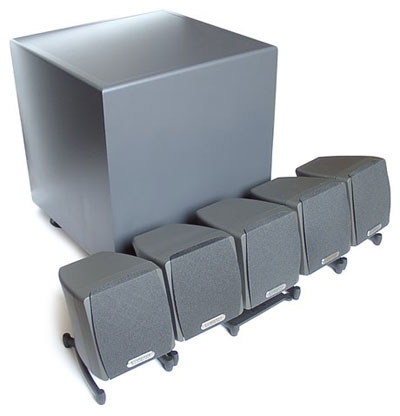
:strip_exif()/i/1018314262.jpg?f=thumbmedium)
:strip_exif()/i/1023478858.jpg?f=thumbmedium)
:strip_exif()/i/1054856971.gif?f=thumbmedium)
 Traditionele speluitgevers moeten van strategie veranderen om te kunnen overleven
 All in all, it's a pretty gutsy move, and one that signals a potential sea-change in the industry. It still remains to be seen whether or not the buying public would adopt this business model. After all, the ability to publish on demand has existed for years now, but people still love to wander into bookstores, touch the books, and read the dustjackets. It may be that Steam will work well with a subset of the gaming public, but more mainstream titles, such as the Sims, will always have retail appeal.
 "Pulsent realizes that companies already using MPEG will continue using MPEG," Kaufhold said. "But for on-demand video services Pulsent has an opportunity...MPEG 2 video usually requires about 3 megabits per second per video stream. If Pulsent can offer high-quality video at 1.5 megabits per second, which they claim, there's an opportunity."
 Dat meldt de Japanse zakenkrant Nikkei English News zonder bronnen te melden. Persbureau Reuters haalt een woordvoerder van NEC aan, die de plannen voor de prijsverhoging bevestigt. Een woordvoerder van Fujitsu zei: "Hoewel de prijzen voor onderdelen zijn gestegen, hebben we nog niet besloten of we onze pc-prijzen opschroeven."
 XP SE will be principally a consolidation release. Candidates for inclusion are the essential .NET client-side plumbing: the common language runtime (CLR), Internet Explorer 7.0 and DirectX 9.0, and a mature Bluetooth stack. Microsoft has blown hot and cold on Bluetooth - mostly cold, actually - but with chipsets at the $5 mark, it's going to be ubiquitious in PDAs and phones by 2003.
 Legal experts said on Friday that the CBDTPA regulates nearly any program, in source or object code, that runs on a PC or anything else with a microprocessor. That's not just Windows media players and their brethren, as you might expect. The CBDTPA's sweeping definition of "any hardware or software" includes word processors, spreadsheets, operating systems, compilers, programming languages -- all the way down to humble Unix utilities like "cp" and "cat."