Op ExtremeTech is een review te vinden van de Logitech Z560. Met dit 4.1 speakersetje hoopt Logitech een nieuwe weg in te slaan op het gebied van pc speakers. Het setje produceert maar lieft 400 Watt RMS(!) waarvan de subwoofer 188 Watt krijgt toebedeeld en iedere satteliet 53 Watt. Bijgeleverd wordt een kastje waarop zich een volumeknop, de aan/uit knop, een balans/fader knop en een knop voor Logitechs M3D geluidsenhancement techniek bevinden.
Uit de tests blijkt dat de speakers zich goed houden bij zowel het afspelen van muziek, het kijken naar DVD's en gamen. De subwoofer is, waarschijnlijk dankzij het hoge vermogen, uitstekend te horen en hoefde niet te worden bijgeregeld. Opmerkelijk is dat de satellietjes beter klonken als de frontjes verwijderd waren. Voor het schamele bedrag van zo'n $150 geven deze speakers volgens de reviewer de meeste waar voor je geld. Hij doet dan ook niet moeilijk en geeft ze een 9 uit 10:
... for a gamer and music enthusiast looking for very solid speakers that'll have a street price under $200, you'd be hard pressed to find a better set of speakers than Logitech's latest progeny. PriceWatch actually had two or three outfits selling them under $150 as of October 23rd, 2001. The combination of hefty amplification, solid driver design, and the clever porting technique employed in the sub-woofer cabinet garnered the Z560s their THX certification, and also puts them in good stead to be your next speakers.

Thom was degende die dit in de nieuwssubmit gooide, bedankt!

 Down at the bottom of Bill Gates' keynote to the Professional Developers Conference yesterday lies confirmation that the wheels have come off the Windows rollout wagon. Again. Actually, we all already knew that the Big One, Blackcomb, has been knocked back in the general direction of 2005, and we already knew that the interim XP+1, Longhorn, was 2003, but Bill saying it - or something pretty close to it, anyway - is confirmation that it's going quiet for a while, and there will be no interim release next year.

 Intel informed its partners that they launched a new revision of their ICH2 South Bridge and MCH North Bridge of i845 chipset. Intel claims that the change of the i845 MCH revision from the today’s A3 to the new B0 is caused by the company’s desire to improve the chips manufacturing technology and hence to satisfy the growing demand for these microchips.
 It is a really pleasing fact that the competition between the processor giants pushes them towards price wars like that, because we, the customers, are the ones who win no matter what the outcome for either party is.
 In their press conference Monday, the technology companies said the market is already responding with adequate anti-piracy technology, such as that from Microsoft and an Intel-backed coalition of companies. But trying to make a single technology fit a variety of applications and devices--as was the case with SDMI and appears to be the case with Hollings' bill--is the wrong way to go, the companies said.

 The Chipzilla offering is essentially just a digital PBX system - the kind of kit used by big business to hook together all its phone and data lines - and appears to have been introduced last week.
Of course, the two systems are completely different, addressing totally separate sectors of the market, but the archly litigious Intel has in the past fired off lawsuits with less provocation.
The Chipzilla offering is essentially just a digital PBX system - the kind of kit used by big business to hook together all its phone and data lines - and appears to have been introduced last week.
Of course, the two systems are completely different, addressing totally separate sectors of the market, but the archly litigious Intel has in the past fired off lawsuits with less provocation.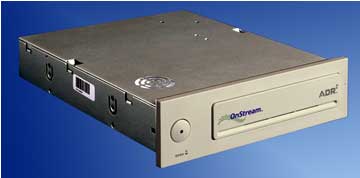

 .
.:strip_exif()/i/1145870389.gif?f=fpa)
:strip_exif()/i/1005664296.jpg?f=thumbmedium)
:strip_exif()/i/983372099.gif?f=thumbmedium)
:strip_exif()/i/1005235184.jpg?f=thumbmedium)
 That's not likely to impress Apple, which, we hear, is becoming increasingly fed up with Motorola's progress at getting new PowerPC chips out of the door, an issue Apple has felt frustrated by ever since the clock speed debacle of late 1999. Back then, Apple had to drop the clock speeds of its three recently released Power Mac G4 desktops by 50MHz because of a bug that prevented the PowerPC 7400 operating at over 500MHz. Apple went as far as to issue a statement that its future financial position was under threat from Motorola's inability to ship sufficient processors. The Mac maker then signed IBM to produce G4-class CPUs in its behalf.