De multiplayer-modus van Medal of Honor: Warfighter leek vrij voorspelbaar te worden. Natuurlijk: we waren op de E3 goed te spreken over het idee dat je in duo's te werk moet gaan, waarbij het duidelijke voordelen oplevert als je samenwerkt met je Fireteam-partner. Het zou op natuurlijke wijze kunnen leiden tot een situatie waarin spelers automatisch meer met elkaar gaan samenwerken, ook als teamgenoten elkaar helemaal niet kennen. Over de rest van de multiplayer-modus van EA's grote shooter voor dit najaar zei het echter nog niet zo heel veel.
Vooropgesteld: ook tijdens onze speelsessie op de Gamescom kwam het idee van Fireteam weer goed naar voren. In de demonstratieruimte waren de pc's in tweetallen neergezet, zodat duidelijk was met wie je moest samenwerken. Eenmaal in het spel was dan ook duidelijk te zien dat vrijwel alle spelers in tweetallen opereerden. De grap is daarbij trouwens wel dat er als je als tweetal plotseling op een ander tweetal stuit, in de praktijk meestal aan beide zijden minimaal een slachtoffer valt. Het hangt dan van de vaardigheid van de andere twee soldaten af wie de 'last man standing' is.
Het spelen in tweetallen brengt in Medal of Honor: Warfighter nog een andere aardigheid met zich mee. De keuze voor een bepaalde klasse geeft namelijk extra gewicht als je directe medespeler mede afhankelijk is van de keuze die jij hebt gemaakt. Zo kwamen wij er al spelende achter dat het handig kan zijn als je een Grenadier combineert met een Spec Ops. De ene klasse is log en langzaam maar beresterk en kan veel schade verdragen, terwijl de andere klasse kwetsbaar is, maar pijlsnel. In de modus die ontwikkelaar Danger Close op de Gamescom voorstelde bleek dat een prima combinatie.

GC: Medal of Honor: Warfighter
Vechten in duo's, weet je nog?
Home Run: CTF zonder respawns
Wie jaren geleden actief was in Medal of Honor: Allied Assault zal bekend zijn met het concept van Objective Based-spelmodi waarbij je, als je neergeschoten was, niet meer respawnde. Niet uniek voor dat spel, maar toevallig een aardig voorbeeld en een bruggetje naar de spelmodus die we op de Gamescom konden spelen. De spelmodus genaamd 'Home Run' lijkt namelijk een vrij eenvoudige Capture the flag-variant, maar hij maakt meer indruk door zijn kleinschaligheid en het feit dat je niet respawnt als je bent neergeschoten.
De regels
In Home Run staan twee teams van vier of zes man tegenover elkaar. Het ene team begint als aanvaller, het andere moet verdedigen, en na vijf rondjes wisselen de rollen. De aanvallers moeten proberen om een van de twee vlaggen die op het speelveld staan opgesteld te pakken te krijgen, en dan moet die vlag naar een bepaalde zone worden gebracht die aan de kant ligt waar de aanvallers zelf vandaan kwamen. Het scoren van een vlag levert twee punten op, het volledige andere team neerschieten slechts eentje. Dat verschil heeft een reden. Danger Close wil mensen motiveren zich echt op de vlaggen te richten en de spelmodus niet te benaderen als een Team Deathmatch-variant. Enfin: na afloop van de tien ronden - of minder als de winnaar al vaststaat - heeft het team met de meeste punten gewonnen.
 Helaas!
De video die je probeert te bekijken is niet langer beschikbaar op Tweakers.net.
Paradox
Je gevoel zegt dus dat je het rustig aan wilt doen, maar de spelmodus laat dat niet toe en verlangt een bepaalde snelheid. Dat geeft mogelijkheden voor agressievere spelers. De map waar we de spelmodus op speelden was klein, maar vol met kleine gangetjes en hoekjes, waardoor het relatief eenvoudig bleek om dichtbij de twee vlaggen te komen, waarna een snelle Spec Ops-speler de vlag snel kon weggrissen en om naar de scoringszone te rennen. Kortom: als de verdedigers zich te conservatief opstellen, halen ze de aanvallers nooit meer in als de vlag eenmaal is gestolen. Zeker niet als de aftocht van die Spec Ops-soldaat wordt gedekt door een moeilijk neer te krijgen Demolitions-soldaat.
Voorlopige Conclusie
De speelsessie was te kort om alle fijne nuances van de Home Run-modus te leren kennen, maar hij smaakte naar meer. Door de volledig andere parameters, zoals een kleiner team, een kleinere map en geen respawns, voelt Home Run behoorlijk anders aan dan de meer traditionele, op Conquest lijkende spelmodus die we op de E3 te spelen kregen. Dat pleit voor de variatie die de multiplayer-modus van Medal of Honor: Warfighter lijkt te gaan brengen. En het betekent waarschijnlijk ook goed nieuws voor de wat competitievere spelers onder ons; Danger Close wil e-sports meer ondersteunen met Warfighter en hoopt dat de Home Run-modus daarbij een belangrijk en populair onderdeel wordt.
| Titel | Medal of Honor: Warfighter | 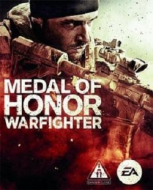 |
| Platform | PC, Xbox 360, PlayStation 3 | |
| Ontwikkelaar | Danger Close | |
| Uitgever | Electronic Arts | |
| Releasedatum | 23 oktober 2012 |


:strip_exif()/i/1335714478.jpeg?f=imagegallery)
:strip_exif()/i/1335714479.jpeg?f=imagegallery)
:strip_exif()/i/1340108734.jpeg?f=imagegallery)
:strip_exif()/i/1340108735.jpeg?f=imagegallery)
:strip_exif()/i/1340108736.jpeg?f=imagegallery)
:strip_exif()/i/1340108737.jpeg?f=imagegallery)
:strip_exif()/i/1340108738.jpeg?f=imagegallery)
:strip_exif()/i/1340108739.jpeg?f=imagegallery)
:strip_exif()/i/1340108740.jpeg?f=imagegallery)
:strip_exif()/i/1340108741.jpeg?f=imagegallery)
Inhoudsopgave
Lees meer
:fill(white):strip_exif()/i/1349961540.jpeg?f=thumbmedium)
:strip_icc():strip_exif()/i/1350554666.jpeg?f=fpa_thumb)
:strip_icc():strip_exif()/i/1340177696.jpeg?f=fpa_thumb)
:strip_icc():strip_exif()/i/1335714205.jpeg?f=fpa_thumb)
:strip_icc():strip_exif()/u/301917/imgg.jpg?f=community)
:strip_exif()/i/1330071698.jpeg?f=fpa)
/i/1205931238.png?f=fpa)

/i/1203929393.png?f=fpa)
/i/1308298525.png?f=fpa)
Reacties (34)
/u/271383/crop5e6b72d2a673b_cropped.png?f=community)
:strip_icc():strip_exif()/u/89083/tupelo.jpg?f=community)
ontopic:
Ik denk dat dit spel niet echt iets voor mij is. Van mij mag het dan toch wat realistischer. Maar goed wel leuk om even een indruk te krijgen via een video preview. Al mag Jurian wel wat spraaklessen volgen wmb, zodat hij wat minder snel praat en wat beter verstaanbaar is.
 WOII sfeer doet ook wat met je maar zal waarschijnlijk minder aantrekkelijk zijn vanwege minder arsenaal aan wapen mogelijkheden, hoewel dat dan ook weer zijn charme heeft . Mijn sweat memories van het geknal van de MOH -AA en vooral cod 1 zijn nog sterk . Geloof dat alleen Brother in Arms nog WO2 in zijn romance heeft .
En ontopic : Hoop dat deze MOH telg wel een online belevenis wordt want volgens mij zijn alle vervolgen AA geen succes geweest online dan wel .
/u/361273/logo2.png?f=community)
 ik denk dat er nog hééééél veel wapens zijn die nog nergens aan te pas zijn gekomen van in de WOII. Zoveel wapens die ze maar een aantal keer gemaakt hebben en dan afgevoerd zijn wegens té duur/moeilijk in aanmaak, niet precies niet krachtig genoeg,... er zijn heus nog veel wapens/tanks/vliegtuigen/boten/... die ik jammergenoeg nog niet gezien heb
Vb:
Lisle Commando Rifle:
A modified Lee Enfield rifle, the De Lisle is one of the first successful carbines made with an extremely effective suppressor. The suppressor, which dominates the rifle from back to muzzle, measures two inches in diameter, and provides enough space for the gasses used when firing. It fires modified 9mm pistol rounds, and the ejected round would fall into the magazine, which had a velvet-lined compartment to stop the sound of spent bullets hitting the ground. It is so quiet that moving the bolt to chamber the next round makes more sound than firing a round. The De Lisle was only manufactured in small numbers and was exclusive to Special Forces.
Electromagnetic Degaussing:
Although it sounds like it comes straight out of a sci-fi flick, the Allies researched the degaussing of ships quite heavily during WW2. The primary goal was to render the ship undetectable, and invisible, from magnetically fused undersea mines and torpedoes. The degaussing of a ship involved the generation of a powerful electromagnetic field onboard. The Canadian and British Royal navies spent large amounts of time doing tests and research on degaussing — in fact, the conduits from the degaussing system built in the HMS Belfast in London, can still be seen today. Many people also believe the electromagnetic degaussing attempt on the USS Engstorm might have influenced the story of the famous “Philidelphia Experiment.”
Een hele leuke:
WunderWaffe 1 - Vampire Vision
The Sturmgewehr 44 was the first ever assault rifle, similar to the modern M-16 and AK-47. The ZG 1229, also known by the code name Vampir, was an infra-red sight designed so that this rifle could be used by snipers at night. It was first used in combat in the last months of the war and weighed about five pounds, but was also connected to a thirty pound battery support pack, strapped to the soldier’s back.
German Super-Heavy Tanks
German engineers worked on a number of designs for super-heavy tanks and the Panzerkampfwagen VIII Maus was the heaviest model of which a working prototype was made during the war. This tank weighed in at around 180 tonnes and this ended up being its principal problem. No engine was powerful enough to allow the tank to achieve the desired speed of 20 km/h, with only 13km/h being reached and that under ideal conditions. It was also too heavy to cross bridges. However, because the tank stood relatively high off the ground, it could actually ford deep streams and for deeper rivers was able to go underwater and drive along the bottom. However, to do this it had to be partnered with another tank, which supplied the electrical power through a cable. Amazingly, a long snorkel, allowing the crossing tank to submerge to a depth of 45 feet, fed air to the submerged tank’s crew.
Leuke sites:
Wonderbaarlijke duitse wapens
http://www.darkroastedble...ons-of-world-war-two.html
Duitse machinegeweren en dergelijke:
http://top-topics.thefullwiki.org/World_War_II_German_guns
:strip_icc():strip_exif()/u/265780/beaker.jpg?f=community)
 Dunno why
Mohaa: Stalinggrad...als er maar iets uit deze game me dat gevoel van toen gaf dan is het al een game waard om te kopen.
Aan degene die hem hebben kunnen spelen op Gamescom :
Klopt het dat deze game tussen Cod en Battlefield in zit wat betreft speelsnelheid ? Ben het gerun in MW3 namelijk helemaal zat ( en dat ze overal vandaan komen zonder enige strategie)
En is er al bekend of je bij deze game splitscreen online kan spelen zoals bij bv. MW3 of gaat dat niet lukken met deze engine aangezien BF3 het ook niet heeft ?
[Reactie gewijzigd door Beakzz op 22 juli 2024 16:29]
:strip_exif()/u/220180/Animation11.gif?f=community)
In Objective mode heb ik 5 jaar lang 3 (...) verschillende mappen gespeeld: The Hunt, V2, The Bridge. Een goede game heeft niet veel wapens of maps nodig. Gewoon een goede feel, goede maplayouts en faire wapens.
Hier kijk ik wel naar uit. De nieuwe cod's koop ik regelmatig nog (kwestie dat het toch nog vrij veel fun is maar vrij brainless zelfs bij demolition lopen er veel rond als een kip zonder kop) maar er zit niets vernieuwend meer in (naar mijn mening).
:strip_icc():strip_exif()/u/401873/images2.jpg?f=community)
/u/316174/crop5b26bc86bda66_cropped.png?f=community)
 was eerste met mijn teamgenoot
:strip_icc():strip_exif()/u/321699/icon-many-eyes60x60.jpeg?f=community)
:strip_icc():strip_exif()/u/298324/avatar.jpg?f=community)
:strip_icc():strip_exif()/u/220197/pino2.jpg?f=community)
Net zoals Jurian al zei doet mij dit ook weer denken aan mijn all time favoriet Moh:AA objective, het is niet exact het zelfde maar dit komt zeker dicht in de buurt.
Even afwachten of oude glorie weer zal herrijzen met deze spel modus, ook op e-games niveau, ik hoop het in ieder geval wel en alleen al door die spel modus zou het voor mij een game zijn die ik zo maar kan gaan aanschaffen.
Bedankt voor deze videopreview
:strip_icc():strip_exif()/u/107918/s1.jpg?f=community)
Maar begrijp ik het nou goed dat je hier als defence group maar 1 punt kan krijgen, een vlag levert je 2 punten op. Daarmee is er toch een onbalans, benieuwd wat dat gaat doen.
Als er nou ook nog wat ET strategy elementen in zitten, zoals turrets plaatsen en healers dan ga ik hier zeker eens naar kijken. Toch denk ik dat de oude objectives leuker zijn als een vlag pakken en rennen.
:strip_icc():strip_exif()/u/414591/70354_ALL_70x70_4.jpg?f=community)
:strip_exif()/u/301133/crop6737b754ae5aa_cropped.gif?f=community)

Vooral op lanparties is dat een geniaal spel!
Jammer dat het tegenwoordig bijna niet meer mogelijk is zonder de dedicated servers en verplichte internet connectie...
:strip_exif()/u/91615/hann1bal.gif?f=community)
CoD MWx heeft wel Search & Destroy, maar dat is wel erg traag imho. Hopelijk is dit sneller.
Maar even een vraagje:
Zie je die rode omlijning constant en ook die nametags? Want als ik iets eigenlijk best wel storend vond in dit filmpje was het dat wel.
Dat is bijv. bij BF3 ook een storende factor, je kan niet eens echt goed ergens verstopt zitten of je nametag popped up en verraad je aanwezigheid (vooral als sniper een enorm storende factor)..
.
hoort dus gewoon bij de game
:strip_icc():strip_exif()/u/8817/DSC05697_70x70-2.jpg?f=community)
Op dit item kan niet meer gereageerd worden.